Industrial Wi-Fi starts long before the antenna is powered on
When industrial connectivity projects are presented, what usually gets shown are clean coverage maps, polished dashboards, and neatly installed access points. That’s the visible part of the job.
What rarely gets attention is everything that happens before: on-site planning, structural decisions, physical labor, and constant adaptation to environments that are never “by the book.”
Because a reliable industrial network is not sustained by radio frequency alone.
It is sustained by well-executed field engineering.
1. Engineering detail: when standard solutions don’t work
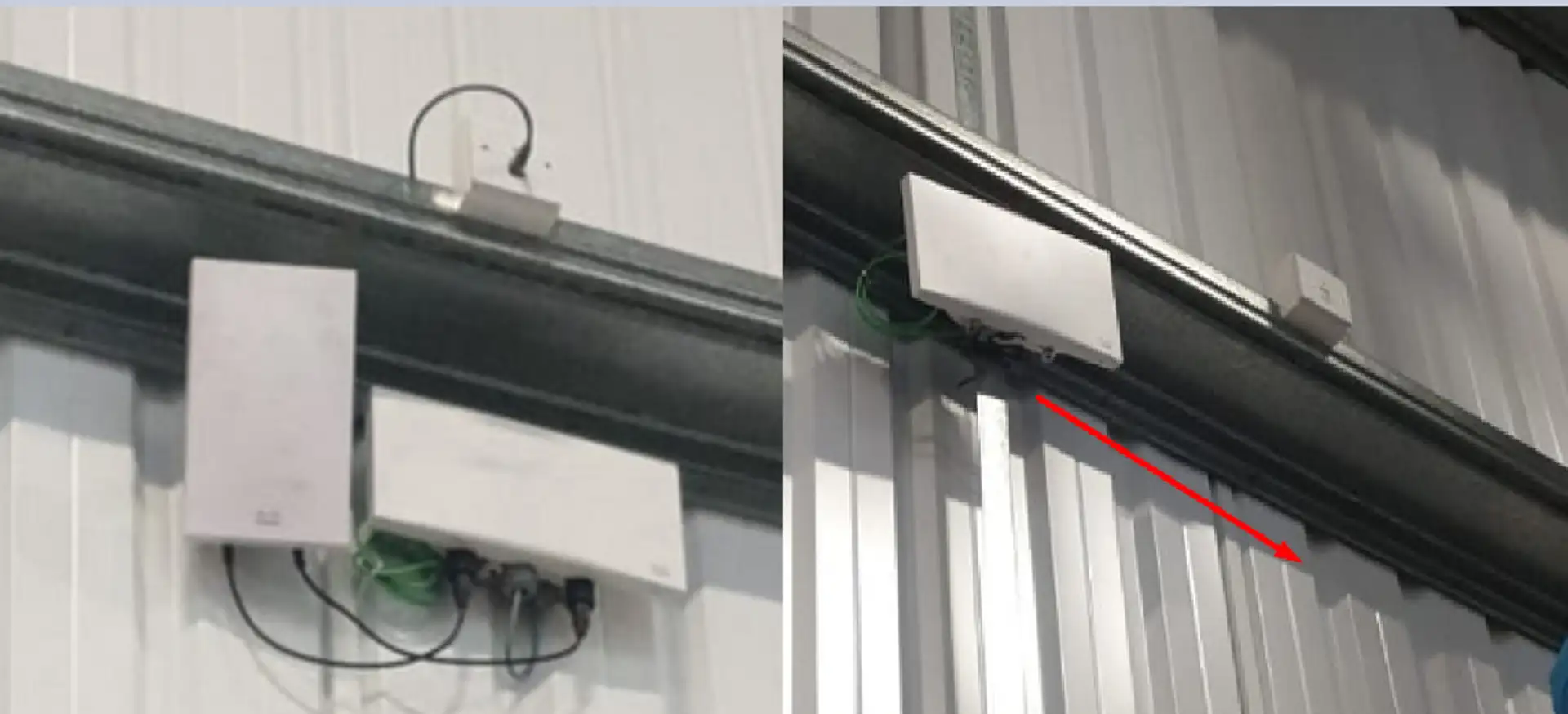
The cover image of this article is intentional. In many industrial environments, off-the-shelf mounting solutions simply don’t fit: beams that can’t be drilled, metal structures that block RF propagation, or strict load and vibration constraints.
Each access point requires a solution that guarantees:
- Long-term mechanical stability
- Clear RF visibility
- Safe and accessible maintenance paths
2. The physical challenge: height, access, and safety
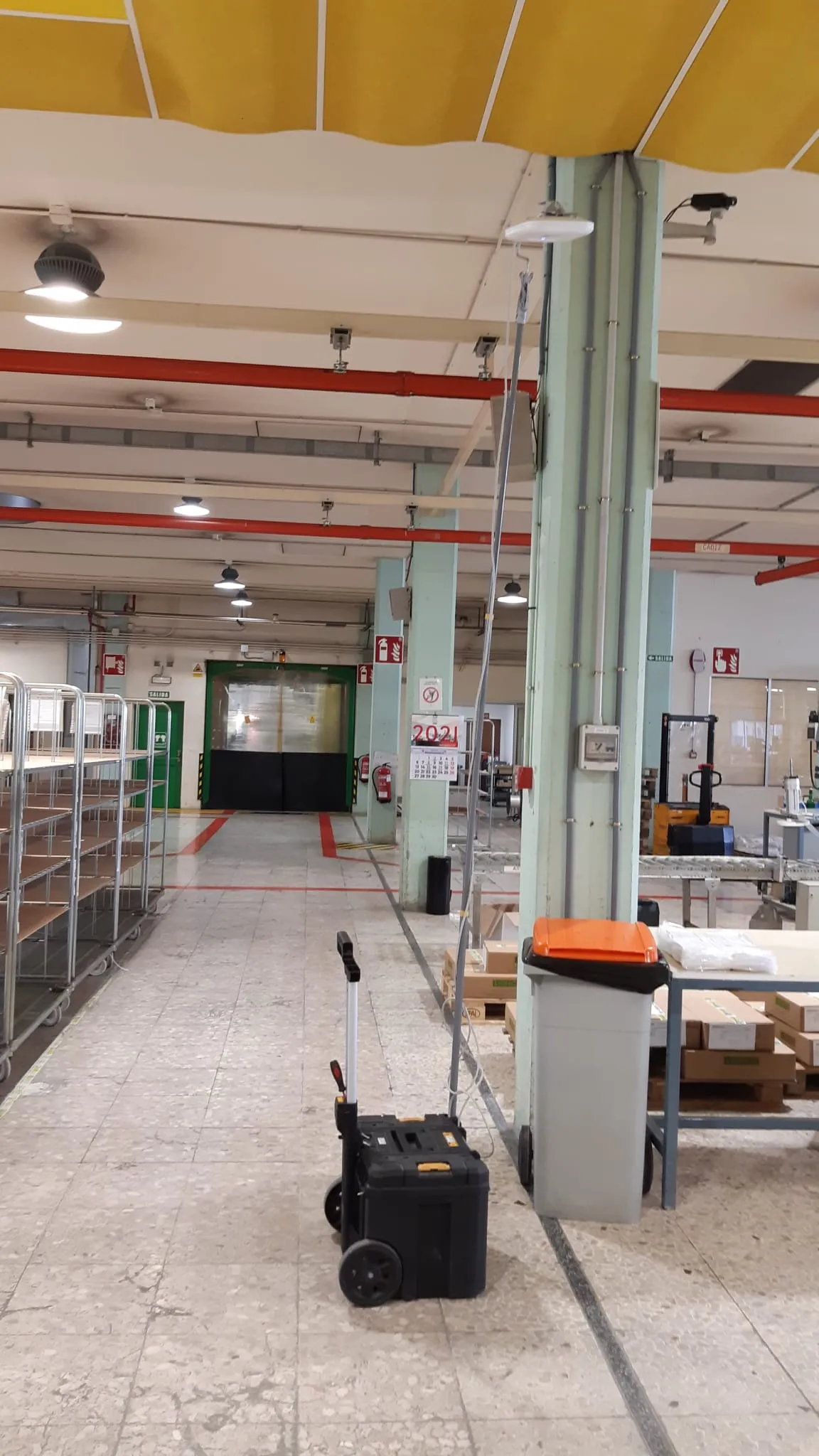
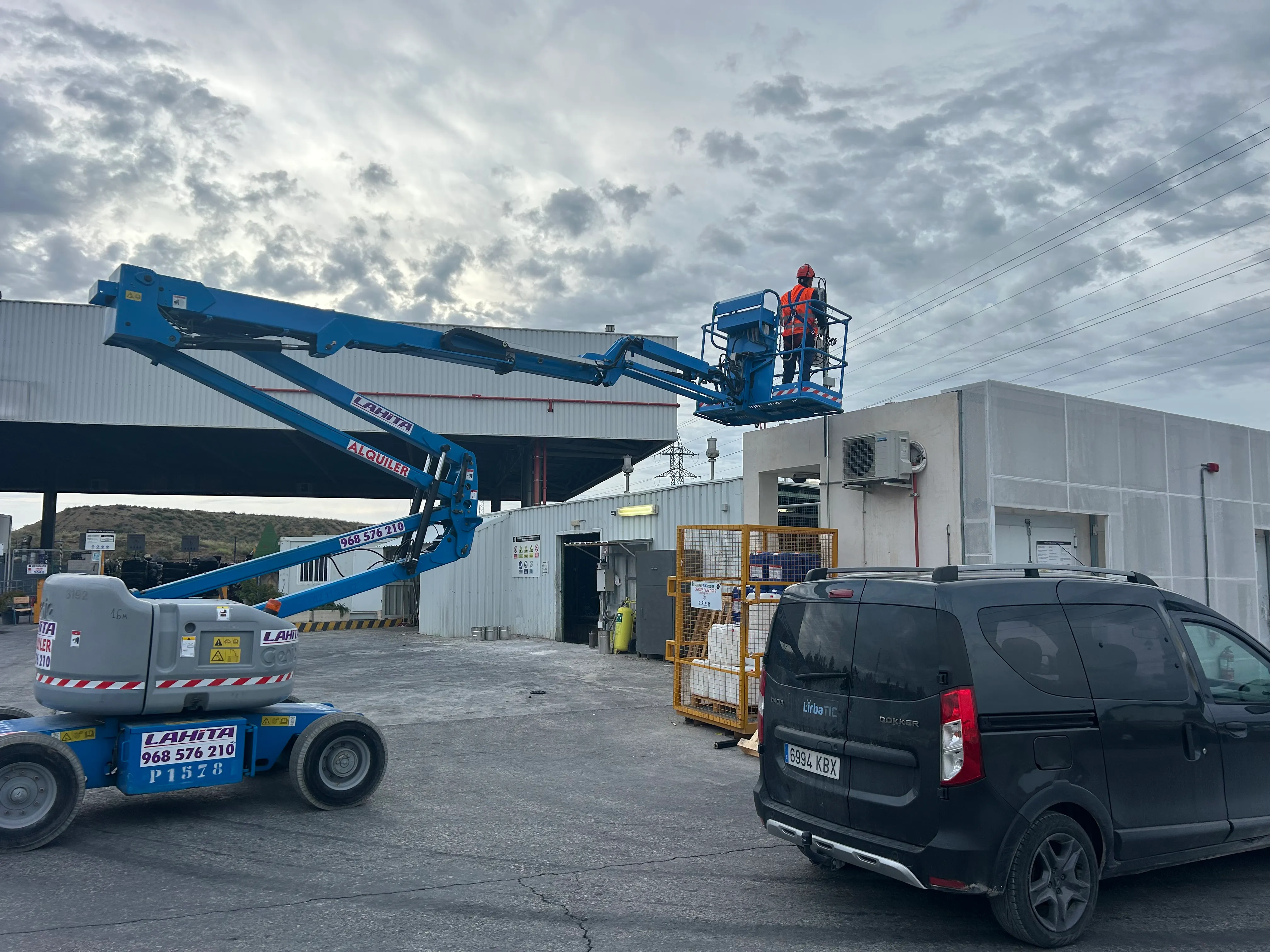
On a design plan, placing an access point is just a click. In reality, that point might be ten meters above ground, mounted on metal cladding, with no margin for error.
This is where design turns into execution: choosing the right access method, securing the installation, and preserving the integrity of the building envelope.
Access, fixation, and mechanical protection: every step matters for long-term reliability.
3. The invisible nervous system: cabling
Many “slow Wi-Fi” issues are not caused by wireless technology, but by poor cabling. A next-generation access point connected through a badly terminated cable or an unprotected run will never perform as intended.
That’s why we treat cabling for what it is: critical infrastructure, not an afterthought.
4. Adapting to real structures, not ideal ones
Sometimes there are no walls at all—only beams, rails, or suspended structures shared with moving machinery such as cranes or conveyor systems.
Installing in these environments requires surgical precision: leveraging existing structures without interfering with daily operations.
Execution makes the difference
Industrial networks don’t fail by chance. They either are well designed and well installed—or they will eventually cause problems. Field execution is what separates a correct deployment from a truly reliable one.
When connectivity cannot afford to fail
The next time you see an access point blinking green above your warehouse floor, remember the planning, physical work, and engineering decisions behind it.
That invisible effort is what keeps your operations running—shift after shift.
Technical context
The points covered in this article are based on real experience deploying and operating infrastructure.
Want to review your infrastructure?
Schedule a quick session and we’ll guide you with an initial, no-obligation assessment.
Request assessment