When Wi-Fi fails, operations stop
In an office environment, slow Wi-Fi leads to complaints.
In a warehouse or logistics center, unstable Wi-Fi brings operations to a halt.
Picking scanners disconnect, forklifts lose ERP instructions, and operators waste valuable time rebooting devices. The usual reaction is to “add more access points” or “increase transmit power”.
In industrial environments, that decision almost always makes things worse.
Metal racking, high ceilings, moving machinery, and constantly changing inventory turn poorly designed Wi-Fi into a continuous source of incidents. These are the clearest signs that you need a professional Wi-Fi Site Survey.
1. Sticky clients and failed roaming
The device shows signal but does not respond. You move a few meters, stand under another AP, and yet the terminal remains connected to the previous one with very poor quality.
This behavior, known as Sticky Client, is common in industrial PDAs and rugged devices.
A proper design defines:
- minimum RSSI thresholds
- controlled cell overlap
- transmit power levels that force seamless roaming
Without a Site Survey, roaming is left to chance.
2. Dead zones created by the building itself
Metal does not attenuate Wi-Fi — it blocks and reflects it.
Fire doors, beams, racks, and structural elements create coverage shadows where the signal simply disappears.
The aisle effect
Metal racking behaves like a Faraday cage. If access points are placed without a proper survey, the signal bounces instead of penetrating the working areas where operators actually move.
3. Dynamic obstacles: the warehouse is never static
An empty warehouse and one operating at full capacity are completely different RF environments.
Pallets of water, metal, paper, or packaged goods alter signal propagation daily. A static design based only on floor plans will fail as soon as real operations change.
4. Coverage is not capacity
Reaching the signal is not the same as having usable Wi-Fi.
A single access point can cover a large area, but when dozens of devices transmit simultaneously, latency skyrockets and performance collapses.
Modern warehouses must be designed for capacity, not just coverage.
5. Default configurations in critical environments
Automatic channel selection, maximum transmit power, and wide channels may work in offices.
In industrial environments, they usually create interference, collisions, and unpredictable behavior.
Without real measurements, any configuration is just guesswork.
How we solve this at Lirbatic
We don’t guess. We measure.
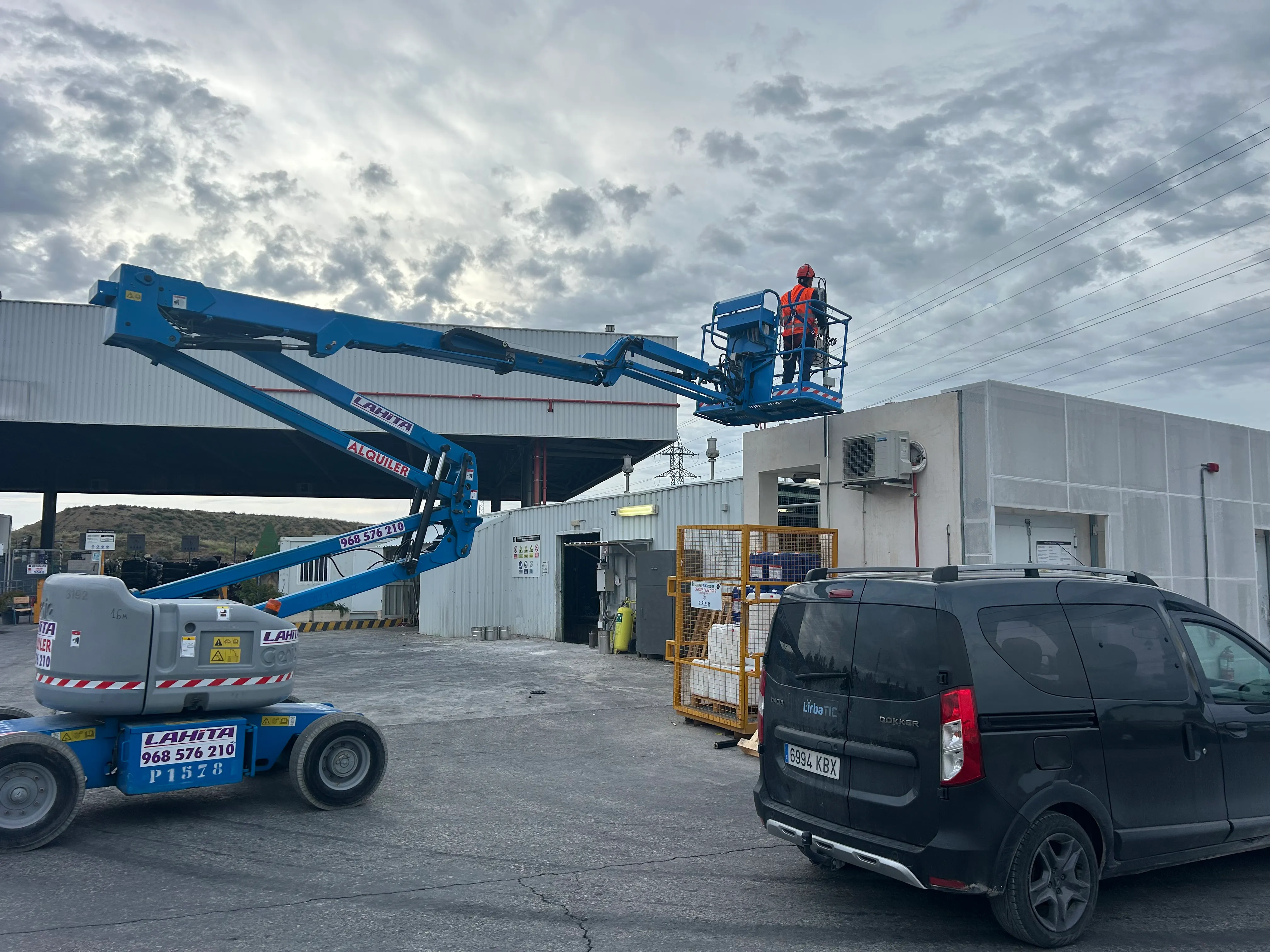
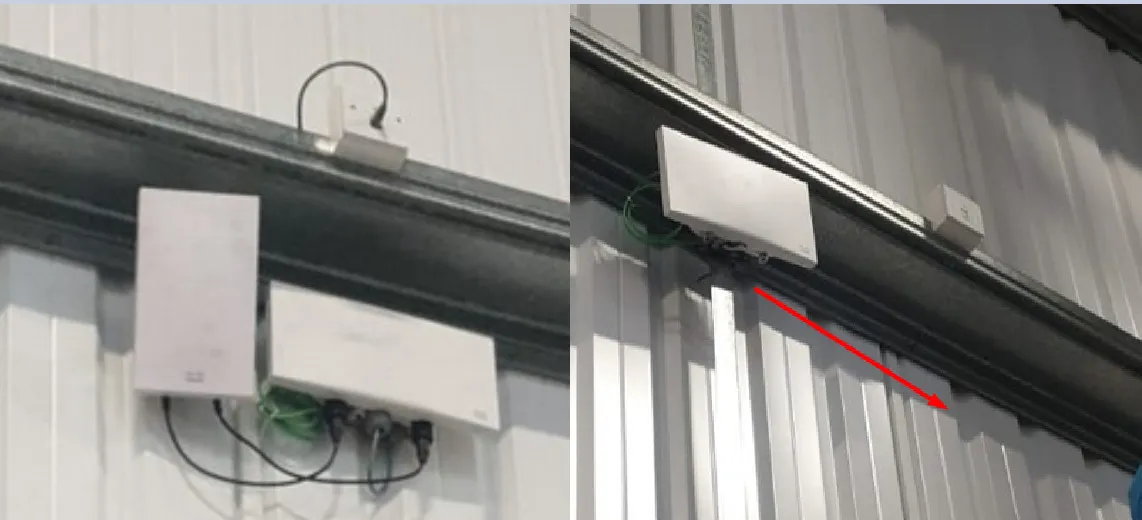
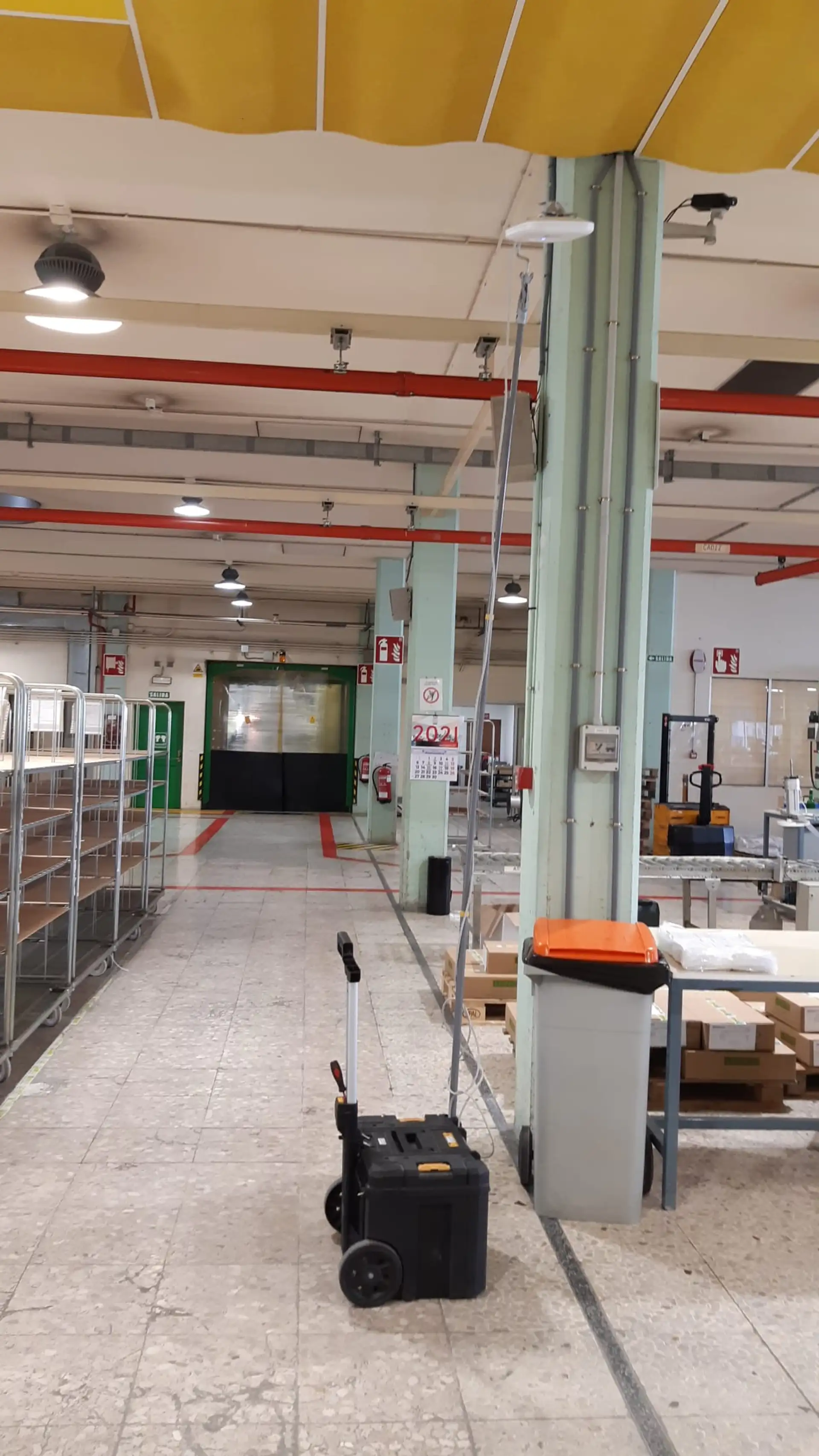
We perform active and passive Site Surveys using the AP on a Stick (APoS) technique — simulating the real access point at its exact installation height before running any cable.
Our Site Survey process
- On-site visit with calibrated measurement equipment
- Walkthrough of aisles and critical operational areas
- Identification of dead zones, interference, and roaming issues
- Delivery of a technical report with the exact AP placement
The result is a stable, predictable, and boring network.
And in logistics, boring Wi-Fi is exactly what you want.
Are your operators complaining about Wi-Fi?
Stop applying patches and start fixing the root cause.
Technical context
The points covered in this article are based on real experience deploying and operating infrastructure.
Want to review your infrastructure?
Schedule a quick session and we’ll guide you with an initial, no-obligation assessment.
Request assessment